

The fitness sector is booming and highly competitive online. Whether you sell sports supplements, equipment for setting up a home gym or training programmes, you are up against giant brands such as Prozis, Myprotein or Decathlon, as well as dozens of niche shops fighting for the same keywords as you.
In that landscape, having a good product and good prices is not enough: you need Google (and now AI as well) to see you as a trustworthy, authoritative website. And that is built, to a large extent, with links.
In this guide we walk you through the link building strategies for fitness ecommerce that work best, which link acquisition tactics are easiest in this sector and why building trust matters. Let's get stuck in!
Why is link building important for an online fitness shop?
There are three main reasons why link building is so important in the fitness sector:
- Fierce competition: Keywords such as “buy protein”, “adjustable dumbbells” or “creatine monohydrate” are dominated by brands with hundreds of referring domains. To break into the top results you need real authority, not just a well-optimised product page.
- As health is a YMYL (Your Money or Your Life) sector, you need to build trust before users will buy. Both Google and AI are especially demanding about the credibility of websites that talk about what people are going to consume. Links from serious health and nutrition media are, quite literally, votes of confidence telling potential customers that your online shop is reliable.
- You have a visual asset you can make the most of: the product. A tub of protein, a set of resistance bands or access to your training platform are perfect bargaining chips for earning mentions from creators, reviews and links.
How to do link building for fitness ecommerce
Before buying links or diving into any link building strategy, you need to analyse your situation so you can hit your targets precisely and waste neither time nor budget. These are the preliminary steps you should take:
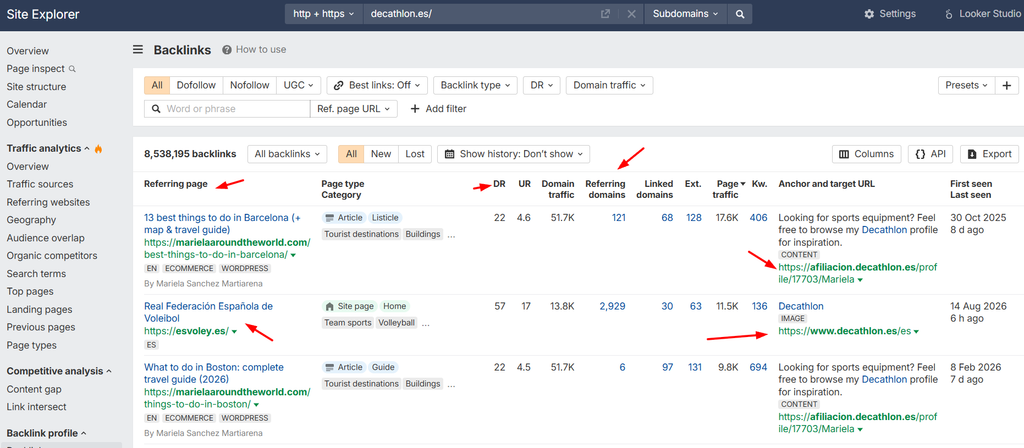
- Audit your current link profile: Using whichever SEO tool you prefer (Ahrefs, Semrush, Majestic or Search Console), analyse where you stand. Check how many referring domains and backlinks you have and their quality, the types of link, your incoming anchor texts (making sure they are not over-optimised with the same keyword), toxic links (spam or low-quality links worth identifying and, if necessary, disavowing) and broken links pointing to URLs that no longer exist.
- Analyse your competitors: Search Google for your main keywords, take the top 3-4 results and study their link profiles. This gives you two things: a list of media outlets and blogs that already link to projects like yours (your starting point) and a benchmark of how much authority you need to compete.
- Define your goal and target pages: Look in Search Console for the keywords where you rank in the top 10 but outside the top 3, as these need the least effort to make the jump. And decide which categories and key product pages you will point links to, not just the homepage.
- Plan and budget: Decide how many links you will acquire and at what pace (link velocity), since growth that is too abrupt looks artificial to Google. A few links at a steady rate is better than lots all at once, and decide how much you can invest each month. Allocate that budget wisely: it is better spent on a few links from relevant, authoritative media than spread thin across lots of cheap, weak ones. Remember that link building should be a sustained long-term investment, not a one-off expense.
- Be clear on your quality criteria: Before buying or exchanging a link, assess the outlet's authority, topical relevance (affinity with your sector), real organic traffic, whether the link sits within editorial content and whether the anchor text is natural.
With these steps done, you know which links you need, where to point them and what type they should be, and that is when it makes sense to start acquiring them (buying them on media outlets, digital PR, influencers, etc.).
If your online shop is new and you do not yet have authority or a digital footprint because you have not done any SEO for ecommerce, start by building your brand and a foundation of trust before going after powerful links.
First make the most of the relationships you already have (suppliers, manufacturers) and earn natural links (quality directories, mentions, reviews and the odd relevant outlet) at a steady pace, so that Google sees organic growth rather than a link profile inflated overnight.
If that is the case for your fitness ecommerce site, you will be interested in our dedicated guide to link building for new websites.
Link building strategies for fitness ecommerce
Now, let's look at how to earn quality links:
Digital press and fitness and supplement media
Digital PR is currently the most effective tactic for earning links, and in fitness you have a huge playing field: nutrition magazines, health portals, sports media, healthy lifestyle blogs… Send them content they genuinely want to publish, such as a study on training habits, supplement consumption data, home fitness trends or the opinion of an expert from your team. If you make it easy for them with a piece built on your own data, you earn links, qualified traffic and that “consensus across sources” that AI values so highly.
The fastest and most controllable way to earn these links is to publish on verified relevant media, which is exactly what our Getalink digital PR service offers: real mentions in authoritative media that boost your rankings, your reputation and your visibility.
Digital PR is also one of the best strategies for getting your online shop visible in AI, because if several serious outlets speak well of your brand, AI recommends you as a reliable source. If you want to dig deeper, here is our guide to GEO for ecommerce.
Get started nowInfluencers and UGC: the engine of fitness
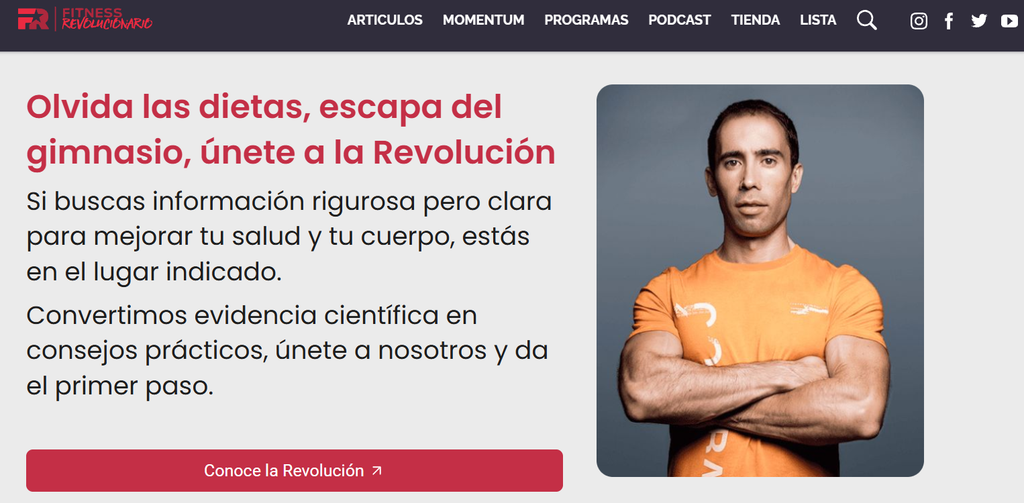
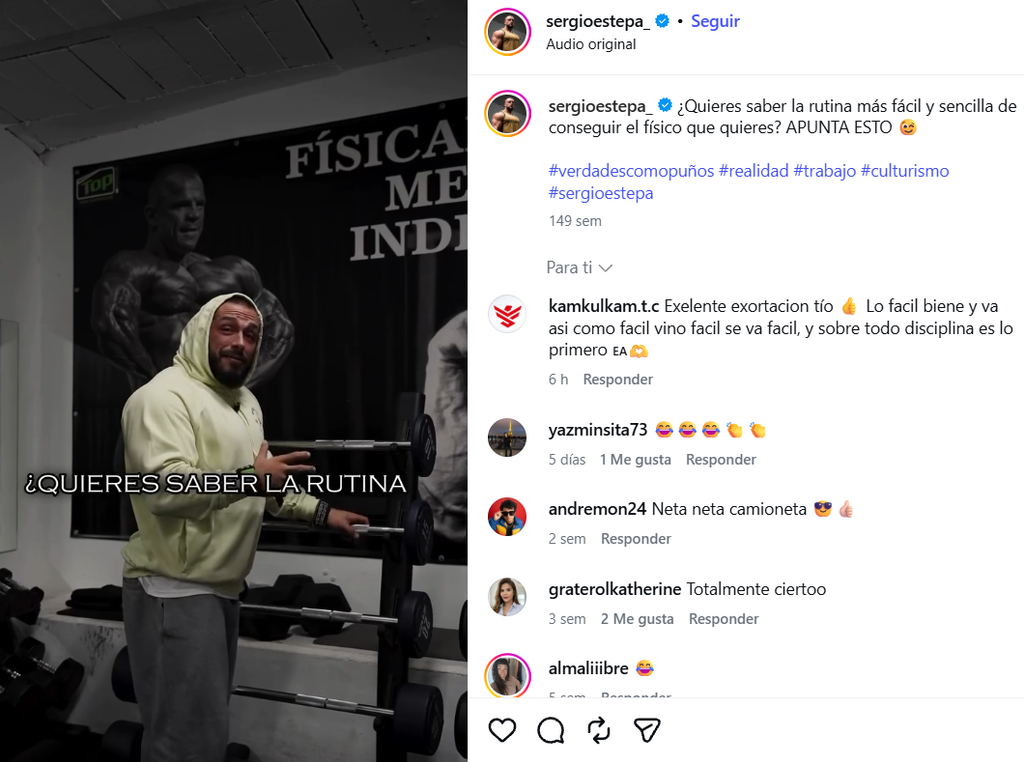
If any sector was made for content creators, it is this one. Instagram, YouTube and TikTok are full of athletes, coaches and nutrition communicators with very loyal audiences.
You can gift products (supplements, equipment, free access to your platform) in exchange for exposure, and if they have a website or blog, exchange links with them.
If a well-known coach with thousands of followers mentions your brand or products in a video, reel or story, it helps ChatGPT or another AI cite you when someone asks for the “best creatine brand” or “where to buy home gym equipment”.
UGC and micro-influencers also generate engagement, social proof and trust before purchase.
Affiliate programme
Fitness is probably the sector where affiliate marketing works best. Brands such as HSN or Myprotein have relied on affiliate networks (nutrition bloggers, coaches, YouTubers) to sell for years.
Set up your own affiliate programme and you will have a network of “sales reps” promoting your products in exchange for a commission. You achieve two things at once: inbound links from their websites and blogs and highly qualified traffic heading towards a purchase.
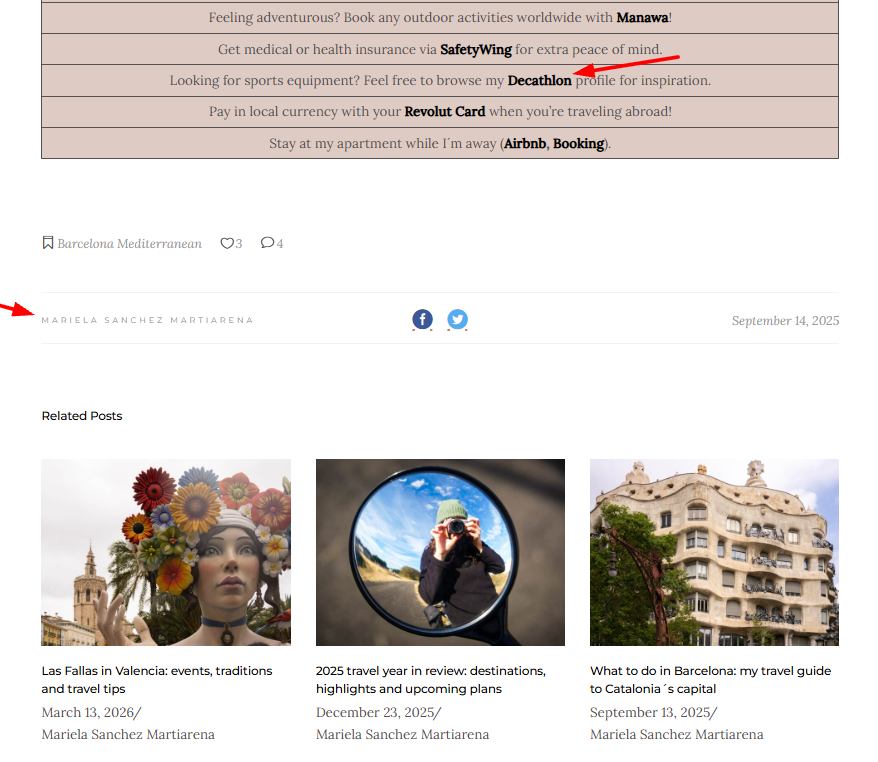
In this example image, you can see a Decathlon affiliate link on the marielaaroundtheworld blog.
Networking and partnerships with gyms, boxes and sports clubs
Another ecommerce link building strategy for fitness that works very well is to seek out gyms, CrossFit boxes, running or triathlon clubs and personal trainers and build partnerships with them.
Some have websites with a “partners”, “sponsors” or “recommended equipment” section where they can link to you. In return, offer discounts for their members, sponsor an event or provide products at their premises.
Competitions and industry events
Two simple but highly effective tactics:
- Run a challenge or competition, for example a “30-day challenge”, giving away a bundle of supplements and asking entrants to share the post with a link to your shop from their website or social media. You generate links, engagement and awareness in one go.
- Sponsor or take part in sporting events such as races, CrossFit competitions and fitness and nutrition fairs. Almost all of them have a website listing sponsors, participants or partners, and through registration or sponsorship you earn a link from a relevant domain closely related to your sector.
Product reviews and comparisons
Before buying, your potential customers search for “best whey protein”, “adjustable dumbbells comparison” or “[your brand] reviews”.
You should work to appear in those guides and comparisons on specialist blogs, as they give you a link and traffic very close to conversion.
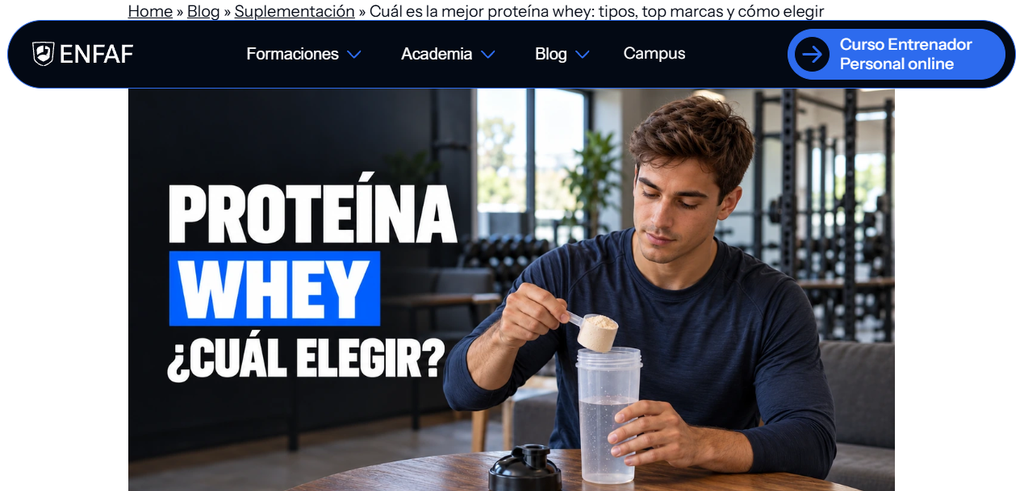
What's more, these “best [product]” lists are exactly what AI cites in its answers, so a single inclusion on an authoritative page is multiplied across many queries.
Guest posts on fitness and nutrition blogs
Offer yourself as a guest author on relevant blogs with valuable content (not filler) and a contextual link to your category or product.
Done properly on relevant websites in your niche, not on link farms, it is still a good way to earn links. For example, if a serious nutrition blog links to you, Google and AI understand that you are also relevant and trustworthy on that topic.
Along the way, you build relationships (networking) for future collaborations.
Link baiting: calculators and linkable resources
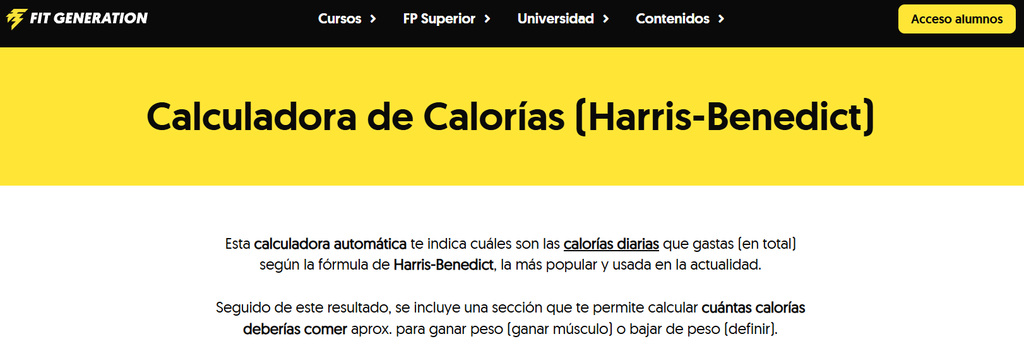
Fitness is ideal for creating assets that attract links on their own. To do this, you can set up some useful, free tools on your website, for example, and turn them into link magnets:
- BMI and body fat percentage calculator.
- Calorie calculator (widely linked from nutrition blogs).
- Running pace calculator or recommended daily protein calculator.
- Downloadable guides: workout routines, meal plans, exercise charts.
These pieces attract links naturally and, at the same time, reinforce the E-E-A-T factor, showing that you are an expert brand, not just any online shop that only wants to sell.
Original images and infographics
You can also earn links through images by creating useful infographics, such as an exercise chart by muscle group, a visual guide to types of protein, a training calendar, etc., and sharing them so that other blogs publish them with a link back to you.
With these infographics, use Google's reverse image search to find who is using them without attribution and ask for a link to your product page or website.
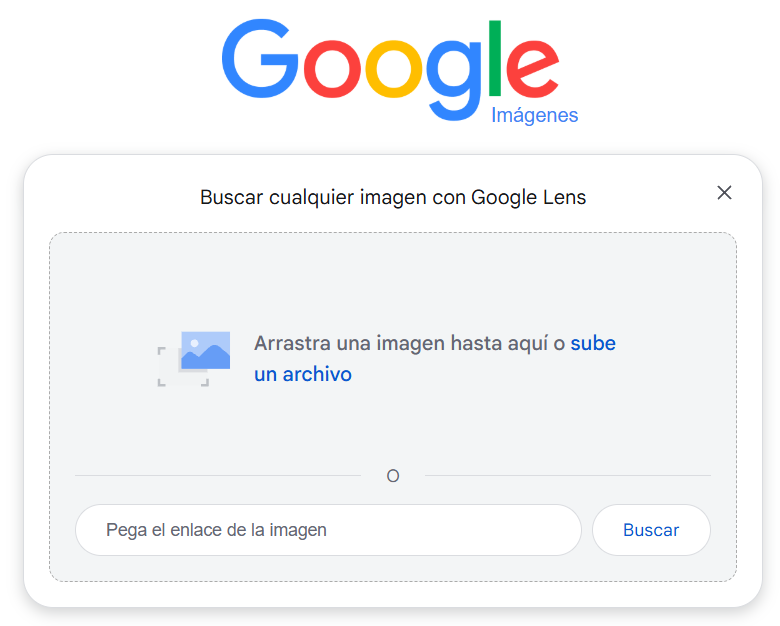
Not sure how? Go to images.google.com, click the camera icon (“Search by image”) and upload your infographic or paste its URL. Google will show you all the websites using that image. Go through the list, pick out the ones publishing it without linking to you and send them a quick email asking them to add attribution with a link to your product page or website. These are among the easiest links to get, because they are already using your content.
Social media to spread your content
Use your own social channels as a megaphone for your business, since the fitness sector has highly visual content and is very much on trend right now. Lean on Instagram, TikTok, YouTube and Pinterest to share your routines, recipes, infographics and launches.
They do not pass authority directly (they are nofollow links), but they generate traffic, mentions and reach for your content.
Forums and communities
Take part by adding real value, not spam, on Reddit (r/fitness, r/nutrition, supplement subreddits), bodybuilding, running or CrossFit forums…
Beyond the link (many are nofollow), these communities are a source that AI consults extensively, with Reddit being one of the most cited by Google AI Overviews and Perplexity. Having your shop discussed organically there is a powerful authority signal.
How can you boost trust in your fitness ecommerce site?
Earning quality links is precisely one of the best ways to build trust and authority. Every link from a serious outlet is a vote that you are reliable. So the E-E-A-T factor goes hand in hand with link building strategies. You can work on it through:
- Authorship: Have your articles signed by a qualified nutritionist, dietitian or coach, with their bio and links to their profile.
- Linked scientific sources: When you make a claim about a supplement, link to studies or serious sources. This gives you credibility with readers, with Google and with AI.
- Links from recognised health and nutrition media: When you earn relevant links, they carry more value and authority in the eyes of Google and AI than links from topics unrelated to your ecommerce site.
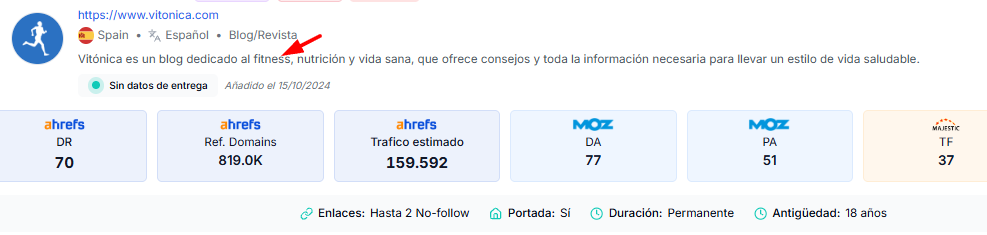
In this sector, your link strategy is not just about authority, but also about building trust.
Create an editorial calendar
Fitness is highly seasonal, and getting ahead of those peaks and planning your strategy multiplies the impact on your fitness ecommerce site:
- January (New Year's resolutions): After all the Christmas meals and with the arrival of the new year, everyone resolves to get in shape. You can prepare guides, challenges and press releases about “starting to train” well in advance, and seek links to rank on Google and get AI to cite your ecommerce site before the avalanche of searches arrives.
- Spring (getting beach-ready): We tend to try to do in two months what we haven't worked on all year, so this is another peak where you should target searches and keywords such as “lose weight”, “how to tone glutes and legs” and supplements to get in shape for summer. You can do this with guides and comparisons. It is the time for creator partnerships and before-and-after posts on social media.
- September (back to routine): You have another peak of potential customers where you should get ahead, just as in the two previous examples. Creating discounts and promoting them through an ad campaign on social media such as Instagram works well.
Local SEO, if you have a physical shop or box
If, as well as selling online, you have a physical shop, gym or box, don't miss out on local SEO. Fully complete your Google Business Profile (NAP, link to your website, customer reviews and replies to all of them) and earn links from local media and directories in your city, sports associations, events and races in your area.
Get started nowDon't forget technical SEO
The best link profile is worthless if your website is failing under the bonnet. Before (and while) you work on link building, make sure you have covered page speed (compress images, good hosting), an SSL certificate, control of cannibalisation between categories and articles, and 301 redirects when you discontinue a product with inbound links, so you don't lose that authority.
How do you measure results?
Monitor your link profile with SEO tools such as Ahrefs, Semrush, Sistrix, Majestic or Google Search Console, which is free. Check the number and quality of referring domains, how your authority evolves, new links…
You should also measure your fitness ecommerce site's visibility in AI. If you don't have premium access to any tool, the simplest (and free) way is manual: every so often, search ChatGPT, Perplexity and Gemini yourself for the key queries and keywords in your sector (“best whey protein”, “where to buy CrossFit equipment”…) and note whether you are mentioned, in what position and which sources cite you.
You also have Google Search Console, which already captures part of the traffic coming from Google's generative answers.
How do you protect the links you have earned?
As for lost links, you can protect them with Getalink's Backlink Monitor, which checks your links every 24 hours and alerts you by email, Slack or webhook as soon as one disappears, switches to nofollow or sponsored, has its anchor or URL changed, or the page returns a 404.
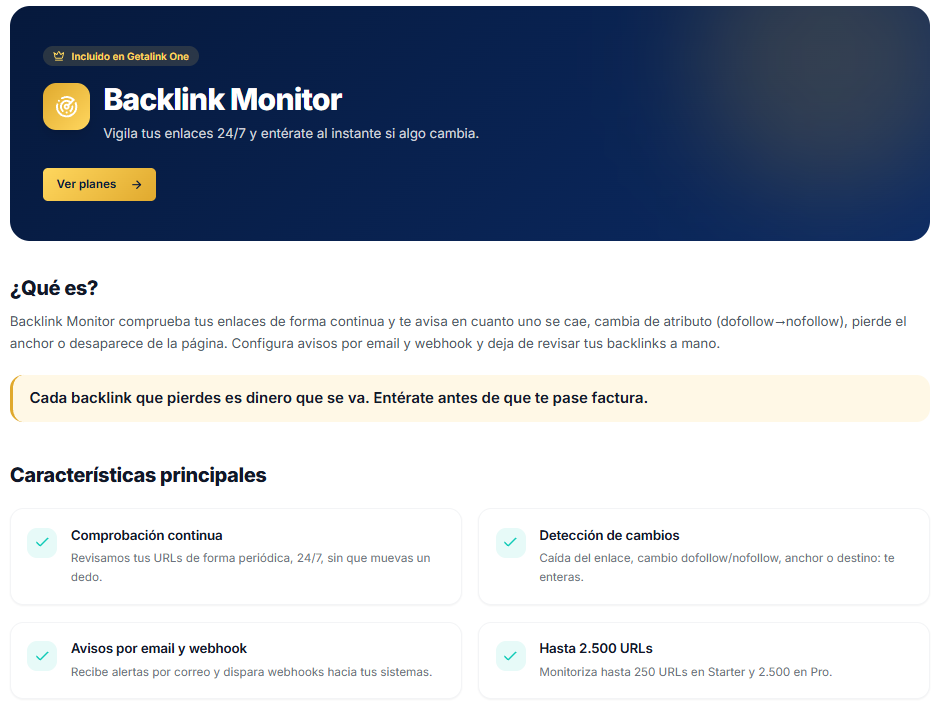
That way you can react before your rankings, authority and AI mentions drop. It also includes indexing with Fast Indexer (an in-house indexer that indexes 90% of URLs in 2-3 hours) and a 2-year guarantee for links you bought on Getalink (if a link drops before that period ends, you get a proportional refund).
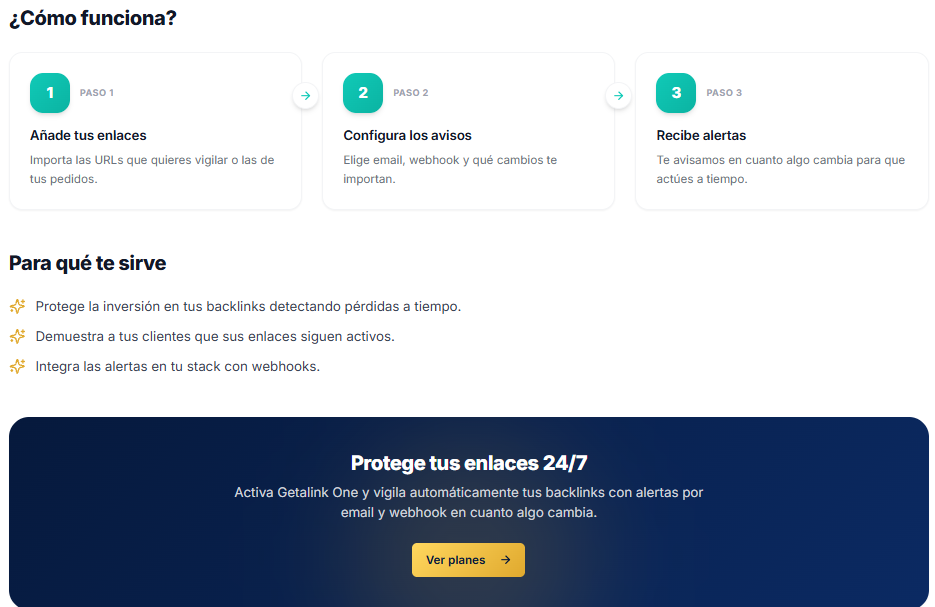
The MCP and API features let you connect your stack with Claude to monitor links, browse your orders and query the catalogue. All of this to protect your links and authority, within a single Getalink One subscription.
Sign up for free and start building the reputation your ecommerce site needs for AI to recommend you!
Request a quote for your backlink strategy
Shall we talk about your project?
Tell us what you need (first and last name, email, website, message) and we'll get back to you within 24 hours.
SendFrequently asked questions about link building for fitness ecommerce
Which pages on my online shop should I point links to?
Mainly category pages, which generate the most traffic and sales, and specific high-demand product pages. Save blog content and guides for attracting links naturally, as they add value for customers.
Which link building strategies work best for an ecommerce site?
Digital PR, partnerships with influencers and UGC, competitor analysis to replicate their best links and controlled link buying on quality relevant media.
What mistakes should I avoid when doing link building?
Prioritising quantity over quality (one link from a relevant outlet is better than dozens of poor ones) and growing too fast (an artificial profile can end up penalised).
Title for this block
Description of this block. Use this space to describe your block. Any text will do. Description of this block. You can use this space to describe your block.