

Content theft on the internet is a common problem that is difficult to prevent in any respect. It is an illegal and unethical practice that most websites simply have to live with.
However, the fact that your content gets stolen is a sign that it is useful and, above all, good. Even so, it is frustrating to discover that the content created for our website has been duplicated, and this can be financially damaging when those sites rank higher in the search results.
Should you be worried if your website content is stolen?
The answer is a resounding yes, because you are losing the copyright over your content and the benefits it can bring, which means you will not get credit for the rankings in Google results or for the traffic it generates.
When a page is duplicated or copied, it faces a number of risks, such as:
- Penalties that lead to exclusion from the search results
- Loss of rankings on Google
- Loss of trust and reputation among users
- Loss of potential customers
Take a look: The 5 Key SEO Factors to rank your website.
How can you find out if your content has been stolen?
If you want to know whether you are a victim of content plagiarism, there are several options and tools that help with detection, which we outline below:
- Copyscape: This is an application that lets you check texts. It scans the page to find out whether the content has been duplicated and exactly which parts have been copied. It can be done for a single page or for the entire site.
- Google image: This is a tool that detects plagiarism of the photos and images on your website.
- Plagium: This application not only detects content theft, but also sorts the searches.
Apart from these three applications, there is another tool you can use: Webpage Monitoring, a service designed to monitor web pages. It checks all the existing information by keywords and size, compared with previous texts.
Scrapers
Scrapers are software programs designed to steal information from a page and then publish it on other websites. They take advantage of other people's content to divert traffic and organic visits to their own pages. In doing so, they profit financially without much effort.
They are known as content copying programs, and they operate in the same way as Google bots, meaning they browse the internet just as a normal user would.
Techniques and tips to stop your content from being stolen
There are various techniques that help with protecting content from scrapers, although they do not guarantee one hundred per cent that your content will not be stolen. In addition, there is also manual plagiarism, which is hard to prevent.
Some ways to prevent content theft are:
Rename your sitemap
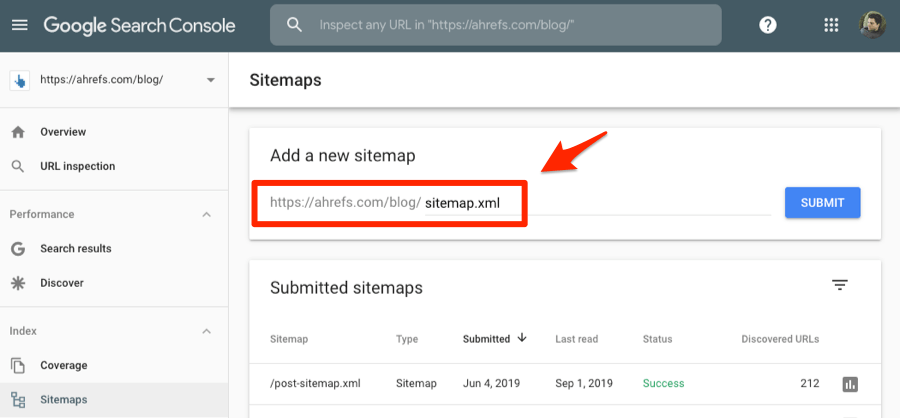
To crawl content, scrapers use a method similar to the way Google crawls websites: they use the sitemap as a starting point and access the content by following the path of links. So simply changing the name of the sitemap makes their job harder, and it is not easy for scrapers to access it.
Create content in different formats
When articles are created as videos, infographics or PDF files, it becomes harder for software to steal the content. A well-designed publication in these formats can even increase users' session time on the page, which is very beneficial.
Include links to the source and internal links in your content
A highly recommended SEO practice is to include internal links in all published content. This will not prevent theft, but it does allow you to gain backlinks and traffic to your website in the event of plagiarism. Another option is to buy quality links pointing to your new URL, which speeds up the indexing process, as it sends signals to Google.
Speed up the indexing of your content on Google
One of the dangers of content theft by software is that indexing takes time, which means a copy of the content can be made and the duplicate can reach the search engines first. In that case, your article will be regarded as the duplicate.
To prevent this from happening, you should speed up the indexing process using the following method:
- Once the content is published, go to the Google webmaster tools
- Find the Crawl > Fetch as Google menu
- Add the URL of the content and click on fetch
- Then submit the page to the index
This way, the indexing process will take no longer than 24 hours.
- Include a copyright notice
Displaying the copyright notice in a visible place serves as a warning to those looking to steal your content.
Set up Google Alerts

When content is published, it is possible to detect theft through Google's alert services. This way, you receive an email every time Google finds a copy, but you need to set up the service first. Bear in mind that the service is limited to the first 10 news results and 20 web page results.
Add a watermark to your content
Another simple option is to add a watermark to your photos and graphics with some kind of logo representing your brand. This makes it clear who the content belongs to. It can be done with any image editing program.
You can even create a watermark with a link to your website, so if your content is stolen, visitors to the offending page will know they are reading duplicate content, and this will damage its credibility.
What can you do if your content is stolen?
If you have been a victim of content theft, the best thing to do is follow these steps:
- Get in touch: The first recommended step is to notify the webmaster of the offending page and let them know that you have proof of the theft so that they remove the content.
- File a complaint with Google: If the first step does not work, you can submit a report to Google denouncing the page that has duplicated the content and request its removal.
- Take legal action: As a last resort, gather all the evidence of your authorship of the content and take legal action.