


You can make money with a blog by monetising your website with advertising, by promoting products or services, or through sponsored posts. But it is not as easy as it looks, because it takes consistency and strategy.
By reading this guide, you will find out whether you can really make money with a blog, how much you can earn and the best ways to monetise it.
List of the 10 ways to make money with a blog
These are some of the most effective ways to make money with a blog, from the most traditional to the most advanced.
- Online advertising
- Monetising a blog with sponsored posts: earn money by publishing articles on your blogs.
- Making money with a blog through affiliate marketing
- Push notifications
- CPA (Cost per Action)
- Paid private content (membership or subscription)
- Selling info products (digital products)
- Selling physical products (online shop)
- Offering your services to make money with your blog
- Selling your blog
So, can you make money with a blog?
Yes, you can make money with a blog, because when it is well managed it is a profitable channel. But it requires time and consistent work, like any other online business. For example:
- Berto López, founder of Ciudadano 2.0, one of the most widely read digital marketing blogs in Spain. He monetises through affiliate marketing, training and brand collaborations.
- Rocío Cuadra, of Time for Fashion, an example from the lifestyle sector who monetises through collaborations and sponsored posts.
And… how much money can you make?
It depends on the niche and the volume of traffic it has, the monetisation sources you use and, of course, the work you put in.
There are modest blogs that generate a few euros a month and others that achieve revenues of several thousand euros a month. It is even possible to make large sums by selling a blog on marketplaces such as Flippa.
Preliminary steps to monetise a blog
To monetise a blog and generate income, first follow these strategic steps.
Choose your topic
The first step is to define the topic or niche of your blog. To do this, it must above all be something you enjoy and understand: you cannot write about cooking if you have never fried an egg.
The second step is to check the keywords and the sites ranking for them. If you see ads, the topic may well be profitable.
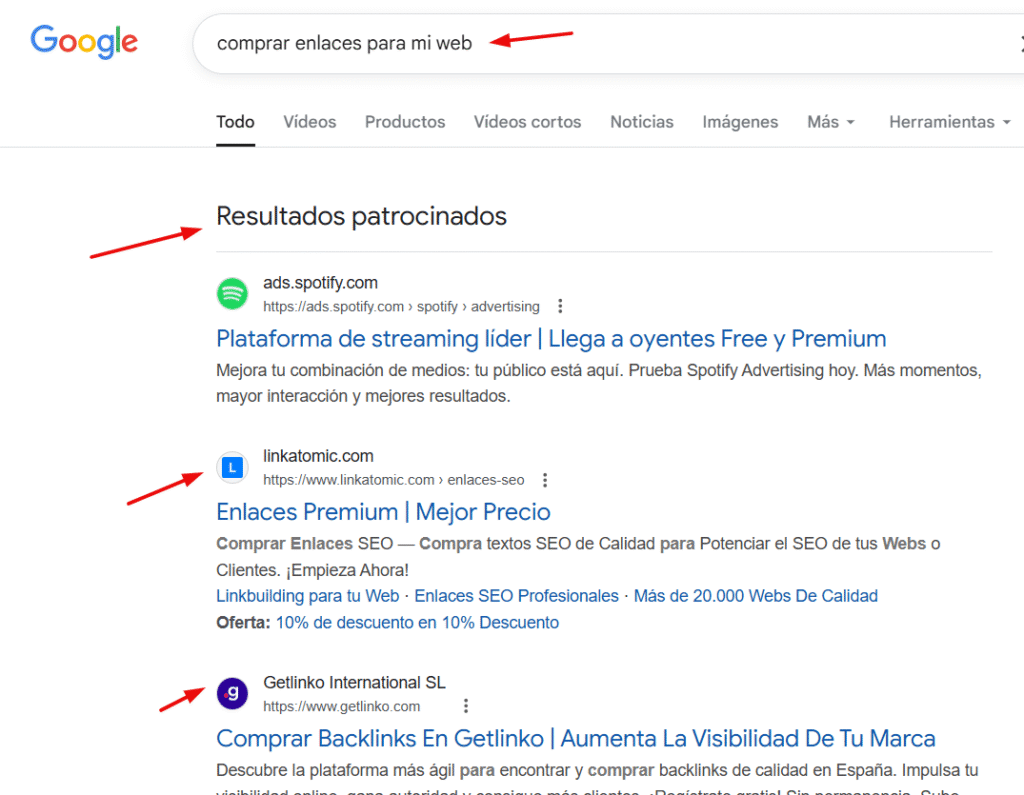
And the third step is to analyse the competition: if it is reasonable, you can start creating the blog. If, on the other hand, the topic is dominated by giants (Amazon, major newspapers, etc.), it is best to avoid it.

Set up the blog
Now let's create the blog professionally on WordPress, the most widely used and simplest CMS. You need to buy a domain and invest in good hosting.
There are thousands of simple tutorials online for creating a blog from scratch. Structure the menu well with the main categories (services), and include the essential pages, such as "Home, About me, Contact".
You will also need to design a logo and brand colours to define a specific visual style. And if there are aspects you are not sure about, don't worry: start with a basic structure and add content little by little.
Define your strategy
Now you need to set a strategy that works as a roadmap to follow. This will tell you what content to create, how to attract visitors and how to turn those visitors into income. Bear these factors in mind:
- Content and SEO: Create an editorial calendar with relevant topics that attract traffic from Google and interest your audience. Alternate between informational articles (for SEO) and others aimed at generating income (reviews, comparisons). Optimise titles, meta descriptions and keywords, because without traffic there is no income.
- Promotion and channels: Don't rely on SEO alone, especially lately with AI, AI Mode and AI Overviews, which take a huge number of clicks away from websites. Share your content on social media, through email marketing, etc.
- Goals and metrics: Set specific targets (visits, subscribers) and measure results with Google Analytics and Search Console (both free, which will come in very handy when you are starting out). Make decisions based on the results and stay consistent, so that both organic traffic and authority grow.
- Consistent monetisation: Adapt the way you make money to your niche and audience (affiliates, services, memberships, etc.). Don't flood your blog with ads from the start; first earn credibility and trust, and integrate monetisation naturally, little by little.
Choose the best way to monetise your blog
Before making money, make sure your blog has a solid foundation, because monetisation works best when you already have some traffic and have built trust with your readers. Publish useful, free articles first, and then integrate ads, products or affiliate links.
Finally, adapt monetisation to your audience's interests. For example, a finance blog can monetise with bank or course affiliates, while a cooking blog can do so by selling recipe books or showing related advertising.
The key is to offer value to the reader while you generate income naturally.
10 profitable ways to make money with a blog
With these principles clear, we can now look at the ways to make money with a blog. There are many methods, each with its pros and cons. Let's look at the most profitable ones:
Online advertising, a classic way to make money with a blog
Advertising is one of the most common and simple ways to make money with a blog. It involves displaying paid ads and earning revenue from clicks (CPC) or impressions (CPM).
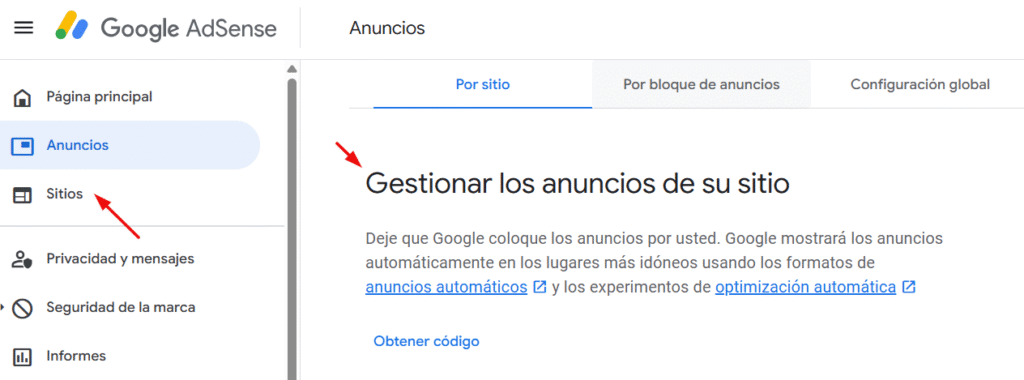
The most common option is Google AdSense, which analyses your content and places relevant ads automatically. It is ideal for getting started, although earnings tend to be low if you have little traffic (for example, €5 to €15/month with 5,000 visits). In profitable niches and with thousands of daily visits, the figures can be much higher. Avoid filling your site with ads and prioritise user experience, testing different placements (header, within the content or sidebar).
As your blog grows, you can access premium networks that pay better, but they also require a minimum number of monthly visits:
- Ezoic: Lets you integrate your website easily (requires around 10,000 monthly visits). It optimises ads using AI and improves performance compared with AdSense.
- Mediavine: One of the most profitable networks, but it requires 50,000 monthly sessions verified by Google Analytics. Ideal for blogs with established traffic.
- Monumetric: A good alternative for medium-sized blogs; it asks for 10,000 visits/month and a small initial set-up fee.
- AdThrive: Aimed at large sites (minimum 100,000 visits/month, mainly from the US).
- Taboola and Outbrain: They require high traffic (around 50,000 visits/month) and are used mainly on news or lifestyle sites.
You can also sell advertising space directly (banners, mentions, sponsorships) to companies in your niche once your blog becomes well known.
Monetise your websites by selling sponsored posts
You can make money by publishing articles on your blogs. Sponsored posts are one of the most profitable ways to monetise a blog. This method involves collaborations with brands or companies in your own niche, which pay you to publish an article about their product (a review) or a link on your blog pointing to their website.
Brands do this to gain authority and improve their SEO, while the blogger earns a fixed income from selling the sponsored post.
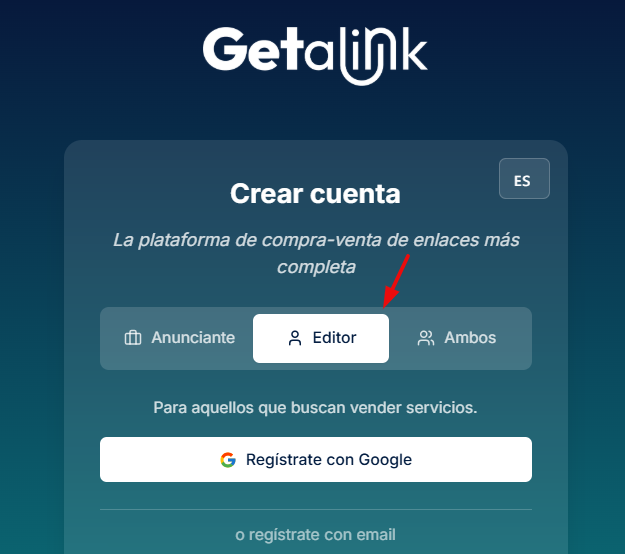
You can get this kind of collaboration through platforms that connect bloggers and advertisers, such as Getalink. It's simple: you register your blog, specify its topic and set the price you want to charge for sponsored posts. When advertisers are interested, you will receive offers. Here is our user guide to the Getalink publisher dashboard, in case you have any questions.
As for prices, they vary according to authority, traffic and niche, ranging from €30-€50 on small blogs to €300 on sites with more traffic. For example, a tech blog with 50,000 monthly visits could charge around €200 per sponsored post.
Make money with a blog through affiliate marketing
This method involves recommending other companies' products or services from your blog and earning a commission every time a reader makes a purchase or takes an action thanks to your link. You can get started in three ways:
- Affiliate networks such as Awin, CJ Affiliate, Impact or ShareASale, where you will find thousands of programmes.
- Companies' own programmes, such as Amazon Associates, Webempresa or SiteGround, which pay you a percentage of every sale.
- Direct agreements with brands or services in your niche, negotiating a tailored commission.
To succeed, you need to add value and build trust. To do so, create useful content such as comparisons, guides, reviews or tutorials, where your recommendations fit in naturally.
Yes, I know what you're thinking: this strategy had its golden age and is now less profitable, true. But the reality is that it still works when it is done professionally and with quality content.
Push notifications to monetise your websites
Push notifications are a monetisation method that involves showing small ads or pop-up messages to users who have agreed to receive notifications from your blog.
Platforms such as Outpush, Propush handle these sends and pay you for every impression or click generated by the ads shown to your subscribers.
However, this system can be somewhat intrusive or aggressive if it is overused. If messages are too frequent or not very relevant, users may block notifications or leave your site. That is why it is best to use them sparingly, segment sends carefully and combine this strategy with other, less invasive forms of monetisation.

CPA (Cost per Action)
The CPA model lets you make money when your blog's visitors take a specific action defined by an advertiser, such as signing up, watching a video, installing an app or making a purchase. Unlike pay-per-click advertising, you only get paid if the action is completed.
There are different types: CPL (payment per sign-up or lead), CPV (per view), CPI (per app install) and CPS (per sale or acquisition). The latter is directly related to affiliate marketing.
It is a more profitable model than traditional ads, but also more demanding, since it requires qualified traffic and conversion-focused content.
Paid private content (membership or subscription)
The membership model involves offering exclusive content to readers who pay a monthly or annual fee. In return, they get access to benefits such as premium articles, courses, podcasts, downloadable resources or a private community. It is a way of generating recurring revenue and building a loyal audience.
You can implement it directly on your blog with WordPress plugins such as MemberPress or Paid Memberships Pro, or use external platforms such as Patreon, Substack.
Make money selling info products (digital products)
Selling digital products is another profitable way to make money with a blog, as it lets you scale without worrying about shipping or physical stock. These products, also known as info products, can be ebooks, online courses, downloadable guides, templates, software, photographs or music, among others.
For example, if your blog is about marketing, you could launch an ebook on social media strategies or a video course on how to rank content. If it's about cooking, you could sell a downloadable recipe book with your most popular dishes.
To sell them, you can use WordPress with plugins such as Easy Digital Downloads or WooCommerce, or external platforms such as Hotmart, Gumroad or Teachable, which handle payments and downloads securely.
What matters is offering valuable content that meets a real need.

Sell physical products (e-commerce)
Another effective way to make money with a blog is to sell physical products related to your topic or personal brand. In this case, your blog acts as an online shop window that attracts interested visitors and turns them into buyers.
The products can be printed books, merchandise (T-shirts, mugs, notebooks), crafts, sports equipment, accessories, etc. For example, a fitness blog could sell motivational T-shirts, a cooking blog its own utensils or aprons, and an author of educational content their book in print.
This model requires more management (inventory, shipping, customer service), although print-on-demand services such as Printful or Printify let you sell without holding stock, meaning the product is only made and shipped when someone buys it.
Platforms such as WooCommerce or Shopify make it easy to create a shop integrated into your blog.
An interesting alternative within physical product sales is dropshipping. This model lets you sell without holding your own stock, as a supplier takes care of storage, packaging and shipping directly to the end customer. You simply manage the blog or online shop, promote the products and receive a commission on every sale.
Sell your blog
Selling a blog is another real way to make money, especially when it already has stable traffic, authority or recurring income. Basically, you transfer ownership of the site to someone else in exchange for a one-off payment.
Buyers usually look for blogs that already make money or have growth potential. The value is usually calculated by multiplying monthly income by 12 or 24. For example, a blog earning €300/month could sell for around €7,000 – €9,000.
There are specialist platforms such as Flippa, Empire Flippers or Sedo, where you can list your website and find buyers. In fact, some entrepreneurs create blogs, grow them and sell them as a recurring business model.
Offer your services to make money with your blog
Monetising your blog by offering professional services is another way to make money. Your blog acts as a trusted shop window, showcasing your expertise and attracting clients interested in your skills.
You can offer advice, consultancy or freelance services such as copywriting, design, marketing, coaching, programming, lessons, photography, etc. For example, a web design blog can generate clients who need websites.
To implement this, create a main "Services" category on the blog with a description, rates and contact details. And add testimonials from satisfied clients.
Request a quote for your backlink strategy
Shall we talk about your project?
Tell us what you need (full name, email, website, message) and we'll get back to you within 24 hours.
SendFrequently asked questions about how to make money with a blog
How long does it take to make money with a blog?
It depends on the effort, the niche and the strategy, but it usually takes several months to see results. In the first 3 to 6 months it is common to earn little or nothing while you build traffic and authority. Between 6 and 12 months, if you work well on content, SEO and promotion, the first income may appear. And blogs that achieve significant income usually do so after 1 or 2 years of continuous work.
Does affiliate marketing still work today?
Yes, but it has evolved. It is no longer enough to place links and wait for sales; you now need useful content, authority and trust. Blogs that offer comparisons, guides or honest recommendations still generate affiliate income; the model has simply become more professional and requires more strategy than before.
Is making money with AdSense still profitable now?
AdSense niches are still profitable, but it is no longer enough to publish mass informational content to get clicks. Niches with real value and high action or purchase intent now work better, where users are looking to solve something or make a decision (for example, compare, sign up or buy). These clicks bring more value to the advertiser and generate a higher CPC.